 John
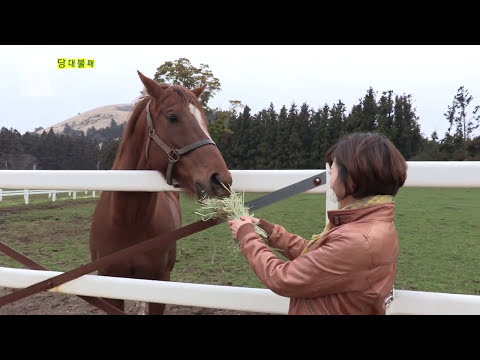
Horse racing is a sport of elegance, speed, and tradition, offering both thrilling experiences and rich history. With roots in many cultures, two countries that stand out in the world of horse racing are South Korea and Japan. Both nations have developed unique approaches to this exciting sport, contributing to its growth and prominence across Asia. This article explores the nuances of Korean and Japanese horse racing, as well as the importance of horse racing schools in developing skilled jockeys and trainers.
Korean Horse Racing: A Growing Passion
Horse racing in South Korea has a relatively young history compared to other nations but has rapidly grown in popularity and recognition. The sport officially took off in the country with the 경마예상 establishment of the Korea Racing Authority (KRA) in 1927, though its modern form has only truly flourished in recent decades. Today, the sport is a vibrant part of Korean culture, attracting fans from all walks of life.
One of the most famous tracks in Korea is the Seoul Race Park, which offers a state-of-the-art facility for both spectators and participants. It is home to many competitive races, where skilled jockeys race some of the country’s finest horses. Another important venue is the Busan-Gyeongnam Horse Racing Park, a modern track that has been instrumental in the development of horse racing in the southern region of Korea.
Korean horse racing features a mix of both domestic and international horses, with many trainers importing horses from countries known for their horse racing traditions, such as the United States, Australia, and Europe. The races in Korea are fast-paced, with thoroughbred horses taking center stage in competitions that test their speed, agility, and stamina. It’s not just about the horses; jockeys play an essential role, bringing their expertise and knowledge to ensure the success of their horses.
In recent years, Korean horse racing has gained significant attention and interest from both locals and international fans. This surge in popularity has led to the rise of betting on races, a major source of revenue for the industry. The KRA has implemented stringent regulations to ensure fairness and transparency, allowing fans to enjoy the sport responsibly.
Japanese Horse Racing: Tradition Meets Innovation
Japan is known worldwide for its deep-rooted connection to horse racing. The sport is not only popular but a key part of the nation’s cultural heritage. Horse racing in Japan dates back centuries, with evidence of races being held during the Edo period. However, the sport reached its modern form in the late 19th and early 20th centuries, when the Japanese began to formalize the races and create racetracks.
The Japan Racing Association (JRA) oversees horse racing in the country, which has become a well-organized and highly respected industry. The JRA manages some of the most prestigious horse racing events globally, such as the Japan Cup and the Tokyo Yushun (Japanese Derby). These races attract international attention, as top-class horses from around the world compete for glory.
Japanese horse racing has a unique atmosphere, blending traditional values with cutting-edge technology. The tracks are meticulously maintained, ensuring optimal racing conditions for the horses. Spectators enjoy a seamless experience, with modern facilities offering a mix of luxury and convenience. The blend of high-tech innovations and deep respect for tradition makes Japanese horse racing a captivating experience for both participants and fans alike.
Another distinctive aspect of Japanese horse racing is the prominence of the country’s breeding industry. Japan is home to some of the most talented and highly valued thoroughbreds, many of which have achieved success at international races. The success of Japanese horses in races abroad has solidified the country’s reputation as a leader in horse racing excellence.
The Importance of Horse Racing Schools: Training Future Champions
Both Korea and Japan have recognized the importance of proper training for the future of horse racing. Horse racing schools are essential institutions that help cultivate the next generation of jockeys, trainers, and other racing professionals. These schools are dedicated to providing students with the skills, knowledge, and experience needed to excel in this demanding sport.
In South Korea, the KRA operates several training programs for aspiring jockeys and trainers. These programs are designed to provide students with practical and theoretical training, including riding techniques, horse care, and race strategy. The emphasis is placed on developing well-rounded professionals who are not only skilled riders but also understand the importance of the bond between the horse and rider.
Similarly, Japan has a strong tradition of horse racing education, with the JRA running the Japan Racing School. This esteemed institution provides specialized programs that include training in riding, horse management, and the intricate dynamics of racing strategy. Students at the Japan Racing School learn from experienced trainers and have access to world-class facilities that allow them to practice their skills on live horses.
The role of horse racing schools cannot be overstated. These institutions are vital in ensuring that the sport continues to thrive, as they produce talented individuals who push the boundaries of what is possible in horse racing. With proper training and guidance, students at these schools learn the art of horse racing while developing the physical and mental discipline necessary to succeed in the sport.
The Future of Horse Racing in Korea and Japan
Looking ahead, the future of horse racing in both Korea and Japan appears bright. As the popularity of the sport continues to grow, both countries are likely to see even greater investments in infrastructure, training, and international competitions. In Korea, the development of more racetracks and events will provide more opportunities for local talent to shine and for international horses to compete. The continued support for racing schools will help nurture the next generation of professionals, ensuring the industry remains strong for years to come.
In Japan, the tradition of horse racing is set to continue, with the JRA focusing on expanding the reach of the sport both domestically and internationally. The country’s rich history, combined with technological advancements and a focus on breeding excellence, will ensure Japan remains at the forefront of global horse racing.
Conclusion
Horse racing in both Korea and Japan is more than just a sport; it is a vibrant part of each country’s culture and economy. The excitement of the races, combined with the professionalism of the jockeys and trainers, makes it a thrilling experience for spectators. Horse racing schools in both countries are instrumental in preparing the next generation of racing professionals, ensuring that the sport will continue to evolve and thrive in the years to come. Whether you’re a fan of the sport or an aspiring jockey, the world of horse racing in Korea and Japan offers endless possibilities and opportunities to explore.

 admin
 SEO