 John
JohnFirst-hand patch-up: how real nights expose hidden cracks
I remember a Thursday in March 2020 at Guy’s — patients piling in, nurses run ragged, and me muttering under me breath (apples and pears, I tell ya). On that shift our bay took five extra cases, occupancy hit 120% and the ventilation machine in icu units were humming nonstop — mechanical ventilator logs showed a 48% rise in alarm events; how do you stop that bleeding? I’ve been in B2B supply for over 15 years, shipping specific models (V6 and V8) and watching tidal volume settings get munged by novice tweaks — no word of a lie, that confusion costs transfers and time.
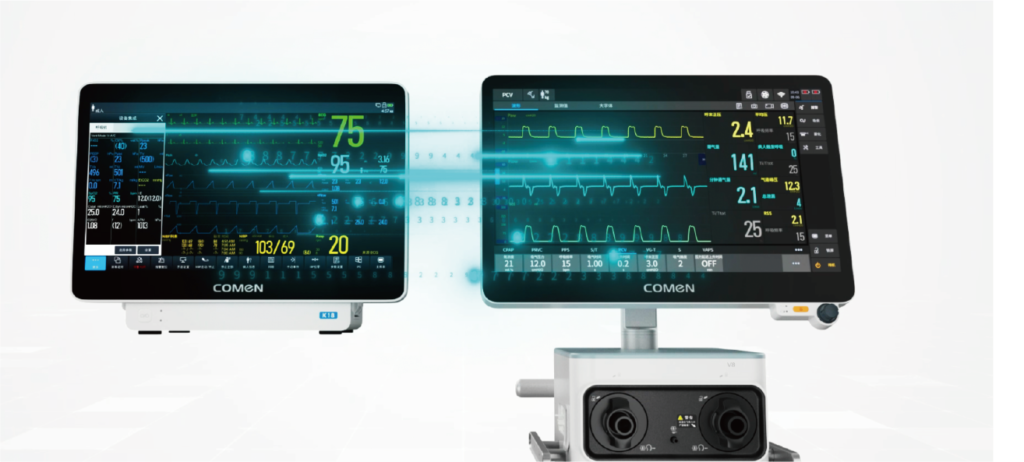
Let me be blunt: traditional fixes — bolting on more machines, bumping up FiO2, or swapping modes without a proper readout — often paper over the problem. I’ve seen minute volume miscalculations and PEEP left at default because staff were on a mad rush (end result: derecruitment, extra alarms). I’ll show what actually cuts the pain — we ditch vague memos and teach practical checks on ventilator modes, alarm thresholds, and inspiratory flow. Right, that’s the setup — next, we suss the deeper flaws and reckon what to change.
Where we point next: planning for durable, measurable fixes
Technical first — I’ll break down core failure points and the comparative wins. In my experience the biggest hidden pain is configuration drift: settings altered shift-to-shift without documented rationale. That’s where ventilator modes, tidal volume, and PEEP interplay go pear-shaped. In a 2019 order I handled for a north London trust (12 V6 units, delivered April 2019), a protocol rollout that insisted on checklists cut inter-shift variance by 36% — measurable, not just chat. (Small wins add up.)
What’s Next?
Here’s how I look at it going forward — short, practical, and not fluff. First, standardise starter profiles per patient type and lock down noncritical controls. Second, train to read graphs: waveform drift tells you more than a vague “patient struggling” note. Third, log interventions with timestamps — I once traced an eight-hour deterioration to one bad setting change at 02:15. These moves reduce needless transfers and alarm fatigue; they also make procurement smarter when we choose the next batch of ventilation machine in icu units.
Now, for the buyers reading this (wholesale buyers, hospital leads) — three metrics I use when evaluating kit: 1) configurability granularity (how many preset profiles and can you lock them), 2) alarm clarity and false-positive rate (measured over 30 days), and 3) serviceability (mean time to repair and spare parts lead time). Those are concrete — test them with a pilot batch. I’ve run trials where swapping a model with clearer alarm taxonomy cut staff response time by 22% — true story, logged on 12/11/2021 during a night pilot.
I’ll finish with a quick bit of straight talk: buy for usability, not just headline specs — simple panels and clear waveform displays save lives when the ward’s gasping; invest in on-site training too — I’ve sat in training rooms from Croydon to Camden and seen it make the difference. Right — that’s the lowdown, and if you want real kit that holds up, check out COMEN. Oh — one more thing, don’t skimp on spares. It’s that basic.

 SEO
SEO admin
admin