 John
JohnIntroduction: A Reality Check at the Charging Station
Blackouts are no longer shocks; they’re calendar events. Renewable energy keeps getting blamed when the lights flicker, and then praised when bills drop—because nuance is hard. People ask if green energy can actually keep a city running, or if it’s just a rooftop sticker. Picture a humid evening, elevators stalled, your EV stuck at 12%—meanwhile, “reliability plans” are in a PDF no one reads. Reports keep noting rising outage minutes and record peaks, while the old grid spends more on band-aids than on healing. So why are we still surprised when the same fixes produce the same pain?

Here’s the twist: the old playbook and the new tools don’t fail for the same reasons. One struggles with heat and aging assets; the other hits limits in rules and timing. Both have trade-offs, but not the ones in the memes. Ready for the side-by-side you were promised? Good—let’s step past the slogans and into how these systems actually behave under stress.
Where the Old Fix Quietly Breaks
Traditional grid “solutions” sound stable: add a peaker, stretch a line, throttle demand with blunt signals. On paper, simple. In practice, the costs drift, then surge. Capacity payments lock in spend even when plants sit idle most hours. Fuel spikes rewrite the math, again. For users, it shows up as demand charges, voltage sag, and weird power quality that fries sensitive gear. A SCADA screen might look calm while the distribution feeder groans. The irony? Maintenance gets delayed, then blamed on summer. Meanwhile, inverter-based loads and power converters stack up in homes and shops, but protection settings from the 1990s never got the memo—funny how that works, right?
What’s the catch?
Interconnection queues stall new projects, so we overbuild the old stuff. Then we curtail the clean stuff because the local line can’t backfeed safely. Legacy relays trip when modern inverters ride through. No microgrid controller, no visibility into phase imbalance. Look, it’s simpler than you think: the trouble isn’t wind or solar; it’s timing, topology, and control. When energy storage systems (ESS) sit idle or can’t export, you waste the buffer that would shave peaks. Without fast telemetry and clear rules, demand response becomes a polite email instead of a 200-millisecond action. The result is a stable-looking system that fails at the edges—exactly where users live.
Comparative Playbook: New Principles That Actually Scale
What’s Next
Now compare that with a newer stack that acts like a conductor, not a hall monitor. Start with grid-forming inverters that hold voltage and offer synthetic inertia. Add hybrid inverters with MPPT to squeeze real output from noisy skies. Put a microgrid controller at the center, talking through open protocols to edge computing nodes. Tie rooftop PV, ESS, and flexible loads into a virtual power plant that can dispatch in seconds. This is how green energy stops being a “nice-to-have” and becomes a local reliability engine. You don’t wait for a peaker; you orchestrate loads and storage to kill a spike before it bites. Then you sell the leftover capacity back—at the right time, not just when the sun feels friendly.
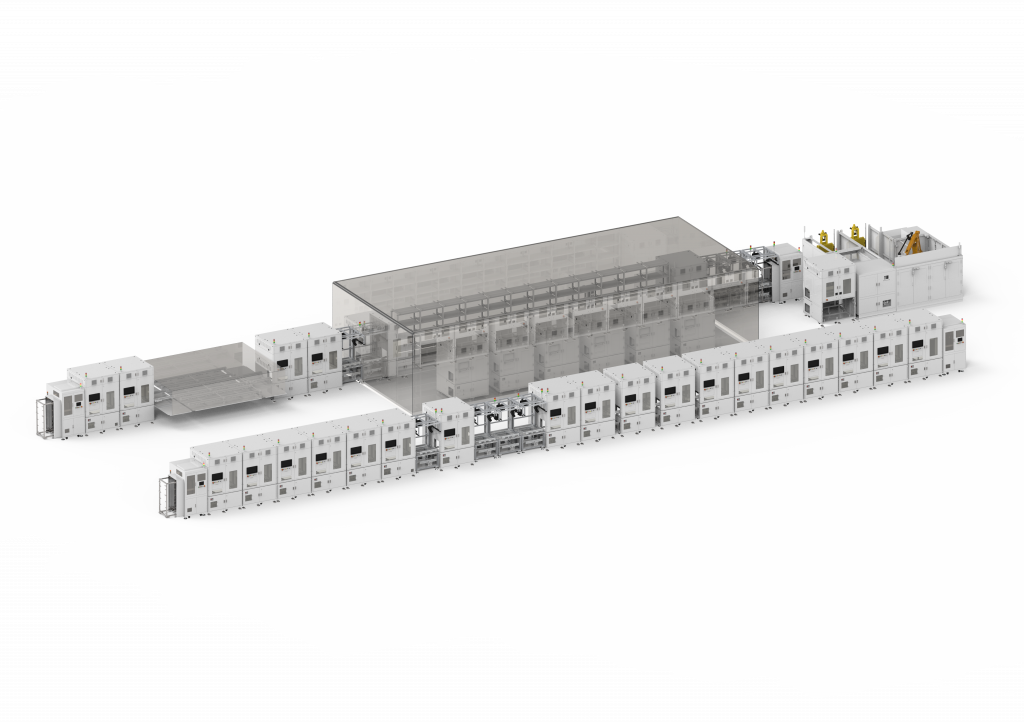
Principle beats patch: shorter loops, smarter controls, fewer fragile links. The controller watches harmonics, fixes power factor, and shapes the waveform before trouble spreads. It hands off setpoints to inverters, checks ESS state-of-charge, and aligns with feeder constraints. When demand jumps, response is fast and layered—milliseconds for inverter droop, seconds for storage discharge, minutes for demand response. And yes, policies and standards still matter (IEEE 2030.5, SunSpec), but the direction is clear. We move from static planning to living systems. That’s the real comparison: plans versus reflexes—and reflexes win under heat.
So, how do you choose? Use an Advisory close instead of applause. Three metrics cut the noise: first, total LCOE that includes balance-of-system and O&M, not just shiny panels; second, response time and ramp rate under a 50–100% load step, measured at the point of common coupling; third, interoperability—prove it with open protocols and real integrations, not slideware. If a solution meets those, the rest follows—cost, uptime, resilience. The lesson from earlier sections stands without being repeated: don’t add capacity you can’t control; add control that multiplies capacity. Simple. Honest. And finally useful. For a grounded view of where this tech is heading and how it interlocks across sites, see what teams at LEAD are building into their roadmaps.

 SEO
SEO admin
admin