 John
John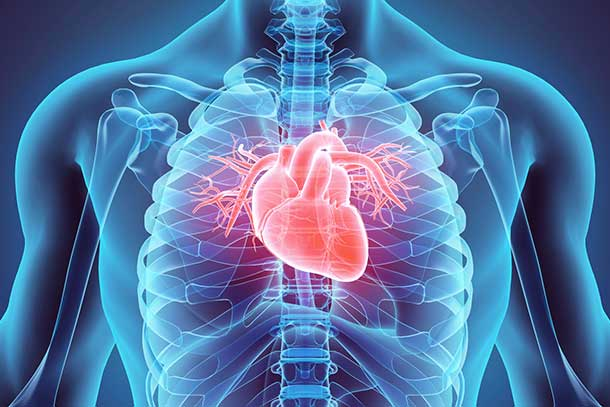
Cardiology, the branch of medicine focused on diagnosing and treating diseases of the heart and blood vessels, plays a vital role in modern healthcare. As heart disease remains the leading cause of death worldwide, the importance of cardiology continues to grow. Cardiologists specialize in identifying heart-related problems early, offering both preventive care and life-saving treatments. Through a combination of advanced diagnostic tools, cutting-edge technology 心臟科 , and patient-centered approaches, cardiology is helping millions lead longer, healthier lives.
One of the primary goals of cardiology is the prevention and early detection of cardiovascular diseases such as coronary artery disease, arrhythmias, heart failure, and congenital heart defects. Preventive cardiology emphasizes lifestyle changes, risk assessments, and routine screenings to identify potential problems before they become critical. Factors like high blood pressure, high cholesterol, obesity, smoking, and diabetes are major contributors to heart disease. Cardiologists work with patients to manage these risks through medication, diet, exercise, and regular monitoring. Preventive strategies have been proven to significantly reduce the likelihood of heart attacks and strokes.
Diagnostic advancements have also revolutionized cardiology. Tools such as electrocardiograms (ECG), echocardiograms, stress tests, CT scans, and cardiac MRIs provide detailed images and information about heart function and structure. These technologies enable cardiologists to detect abnormalities with great accuracy, often before symptoms appear. In cases of chest pain, shortness of breath, or irregular heartbeats, these diagnostic tools can be lifesaving. Early detection allows for timely intervention, which improves treatment outcomes and reduces the risk of complications.
Treatment options in cardiology have evolved remarkably over the past few decades. In addition to medications that regulate blood pressure, cholesterol, and heart rhythm, interventional cardiology offers minimally invasive procedures like angioplasty and stenting to open blocked arteries. In more complex cases, cardiac surgery—such as bypass operations or valve replacements—may be required. Moreover, the use of implantable devices like pacemakers and defibrillators has become routine in managing heart rhythm disorders. These technologies not only save lives but also restore quality of life to those suffering from chronic heart conditions.
Cardiology is not only about medical and surgical interventions—it also involves long-term patient care and rehabilitation. After a cardiac event, many patients benefit from structured cardiac rehabilitation programs that include supervised exercise, dietary counseling, stress management, and education. These programs are essential in helping patients recover physically and emotionally while reducing the chances of future heart problems. Cardiologists also work closely with primary care physicians and other specialists to ensure that patients receive coordinated and comprehensive care.
In conclusion, cardiology stands at the forefront of combating one of the most significant health challenges in the world—heart disease. Through prevention, accurate diagnosis, innovative treatments, and holistic patient care, the field continues to make great strides in improving cardiovascular health. With ongoing research and technological progress, the future of cardiology looks even more promising. As awareness grows and access to cardiac care expands, more individuals will be empowered to take control of their heart health, leading to healthier communities and longer lives.

 admin
admin Baniza